
The physical body is either controlled by emotional force, pouring through the sacral centre and producing desire for physical satisfaction of appetites, or through the solar plexus for emotional satisfaction of some kind. It may be swept into action under the impulse of reaction, ideas and thoughts coming from other human beings, or from the mental body itself. It may, perhaps, be directed by an energy greater than any of these, but which, until now, lay dormant. This is the energy of the soul of which we hear so much about in religious circles, but of which we understand so little.
It is always useful to ask ourselves where exactly is our focus in life directed. In Sanskrit literature much is spoken of in terms of ‘artha‘. This word signifies ‘aim’ or ‘purpose’. According to the literature, human beings are held predominantly by one of four basic arthas:
Kaama : the desire for satisfaction of sensual pleasures
Artha : which also means wealth and prosperity, is the aim or purpose of acquiring wealth, not just material, but wealth in regard to knowledge or power
Dharma: the desire for righteousness; the aim to carry out one’s responsibilities in the best possible way that one can
Moksha: the desire for liberation from the three worlds in which most of mankind dwells.
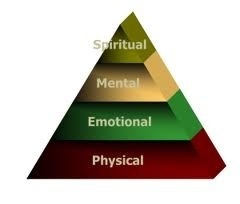
If we place the whole of incarnated humanity (over 7 billion of us) within the symbolic shape of a pyramid and we divide the pyramid into four sections, we would find the larger base of the pyramid filled with those in humanity who fall under the category of Kaama (desire). The next level up would consist of those who seek Artha (wealth); as the shape of the pyramid narrows as it ascends, we would find those whose aim in life is Dharma (righteousness) at the next level. At the top of the pyramid, numbering a very few in comparison to the other levels, we find those whose aim in life is Moksa (liberation).
 REFLECTIONS